For distributors, wholesalers and project suppliers, choosing a solar inverter is not only about one product photo or one wattage number. The better question is whether the model can match local market demand, installation habits, battery systems and after-sales expectations.
Start From the Target Customer and Application
Different markets need different inverter configurations. A rural off-grid user may care more about stable daily operation and simple wiring, while a shop owner may need backup power for lights, routers, payment terminals and small appliances. Project buyers may need a more consistent model range that can be repeated across many installations.
Before confirming an order, buyers should define the common application: home backup, small commercial backup, farm power, telecom equipment, mobile power or solar hybrid systems. This helps narrow down the right battery voltage, output power, waveform and charging function.
Check Product Structure and Practical Details
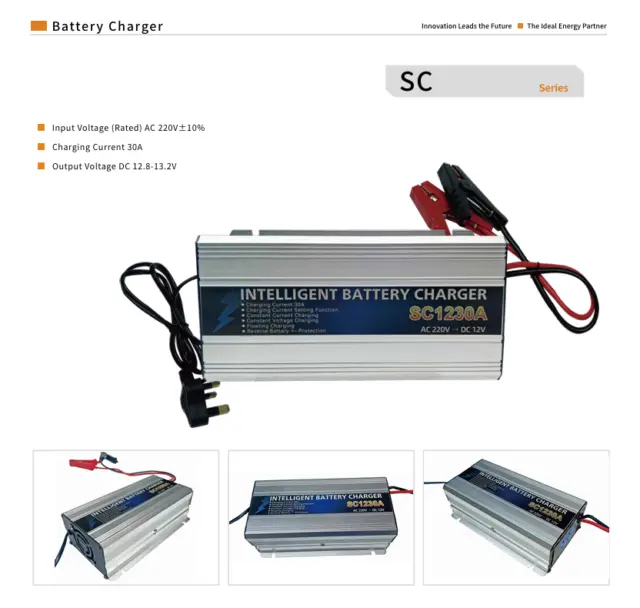
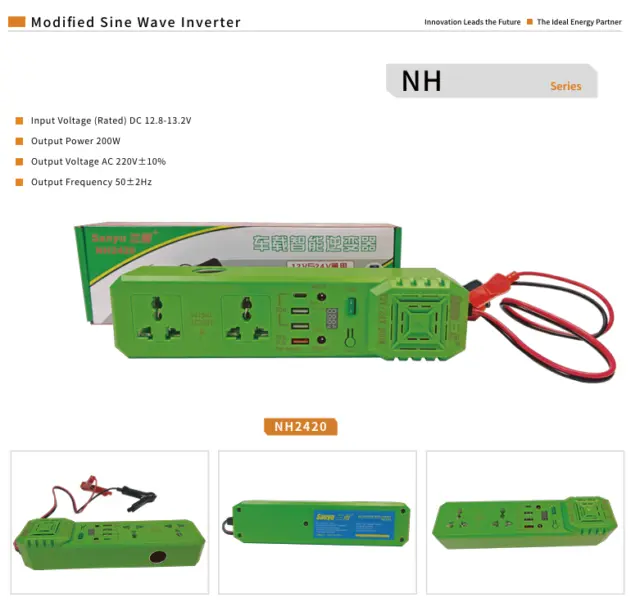
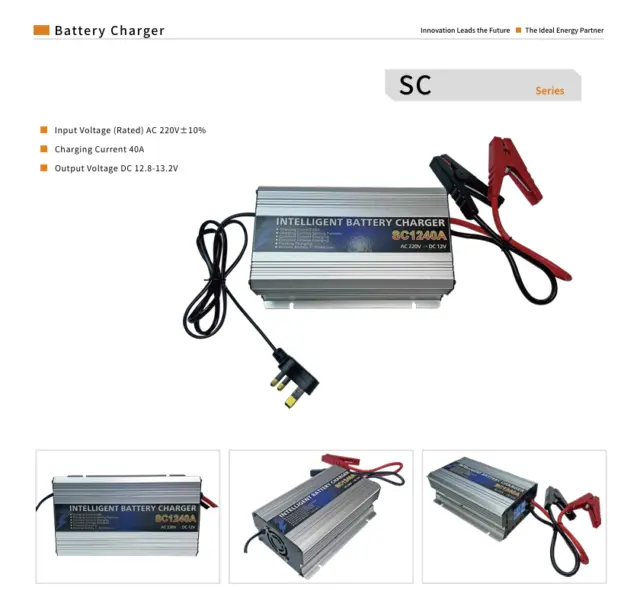
Product appearance still matters, but it should be judged from a procurement perspective. Housing design, cooling layout, terminal position, display area, socket configuration and label clarity can affect installation convenience and end-user confidence.
For wholesale orders, these visible details also influence product presentation in catalogs, online listings and local sales materials. A clear and consistent product design makes it easier for distributors to explain the model to installers and retail customers.
Match Specifications With Market Demand
Solar inverter buyers should compare rated power, surge capacity, battery voltage, output waveform, AC output options, protection functions and optional solar charging features. If the local market includes refrigerators, pumps or motor loads, surge performance and waveform selection should be checked carefully.
For sensitive electronics or mixed household loads, pure sine wave models are often preferred. For price-sensitive basic backup applications, buyers may compare simpler inverter options, but the load type and after-sales risk should still be considered.
Plan for Wholesale Supply and After-Sales Support
B2B procurement also depends on consistency. Buyers should confirm model naming, packaging, manual language, label requirements, spare parts expectations and order quantity before mass purchase. These details reduce communication cost and help the local sales team provide clearer support.
For OEM or distributor cooperation, stable product information is just as important as the product itself. Clear photos, specifications and packaging details help buyers build local trust and reduce confusion after shipment.
Working With Gerixi
Gerixi supplies solar inverter products for backup power, off-grid systems and distributed energy applications. For distributors and wholesale buyers, Gerixi can support model selection based on target load, battery voltage, expected runtime, market positioning and packaging needs.
Sharing the intended application and sales channel early helps confirm a more suitable inverter solution. This makes procurement more efficient and helps buyers build a product line that is easier to sell, install and support in their market.