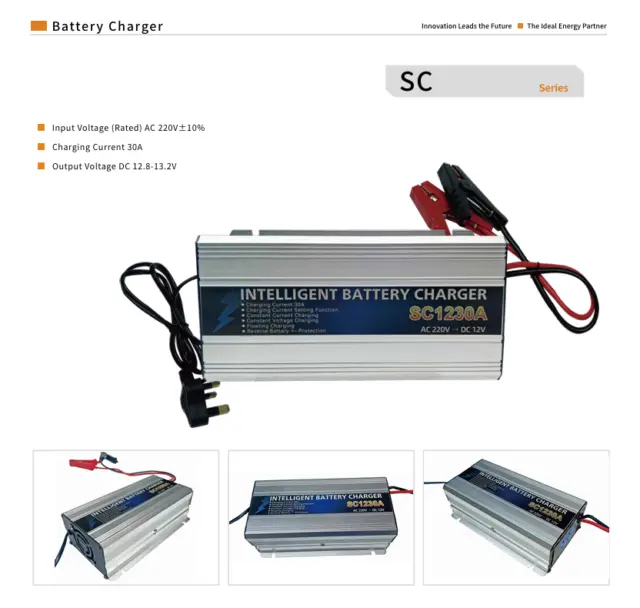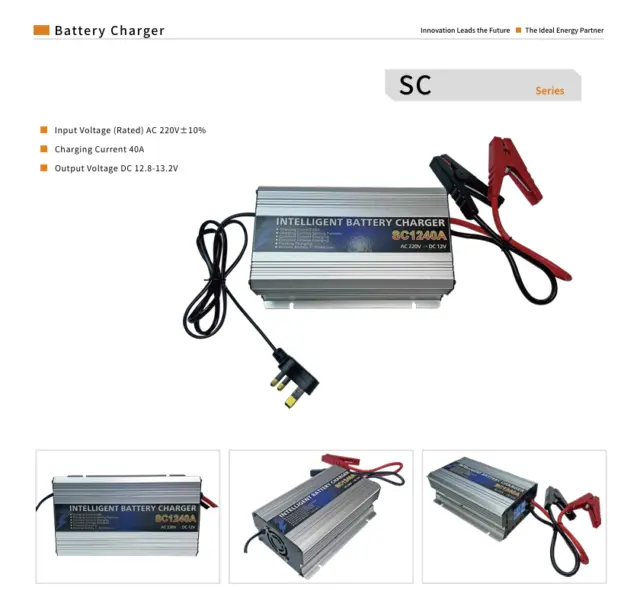
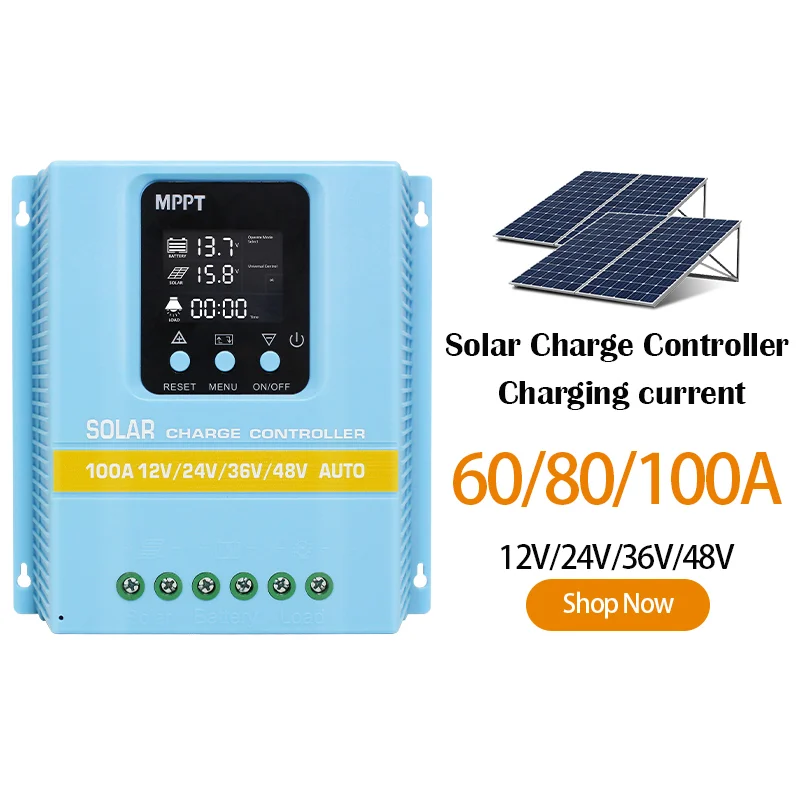
For solar projects that need higher charging current, buyers often compare 60A, 80A and 100A controller options before confirming a product line. The SA-A Series PWM solar charge controller is designed for 12V, 24V, 36V and 48V battery systems, making it suitable for distributors and project buyers who need a practical high-current PWM controller for off-grid charging applications.
When a high-current PWM controller is suitable
A PWM solar charge controller is commonly selected when the project needs simple operation, clear cost control and stable charging for lead-acid or compatible battery systems. In many rural power, lighting, backup and small solar energy applications, buyers prefer a controller that is easy for installers to understand and simple for end users to maintain.
The SA-A Series covers higher current levels than small 10A to 30A controllers. This gives wholesalers a useful option for customers who need stronger charging capacity but do not require a full MPPT solution. For market planning, the 60A, 80A and 100A versions can be positioned as a practical step-up range for larger battery banks.
Voltage and current matching points
Before selecting the SA-A Series, buyers should confirm the battery voltage, solar panel configuration and expected charging current. A controller with a higher current rating should still be matched carefully with the real panel power and battery capacity. Oversizing without checking the system design can increase cost without improving daily charging performance.
- Confirm whether the system uses 12V, 24V, 36V or 48V batteries.
- Check the solar panel wattage and short-circuit current.
- Select 60A, 80A or 100A according to charging demand and margin.
- Use suitable cable size and reliable terminals for high-current wiring.
- Keep the controller installed in a ventilated and protected position.
Why installation details matter
High-current solar charging places more pressure on wiring, connectors and heat dissipation than small systems. A controller can be correctly selected on paper, but poor cable sizing or loose terminals may still cause voltage drop, heat or unstable performance. For this reason, buyers should treat the controller, wiring and battery bank as one complete charging system.
For distributors, clear installation notes are useful sales support. They help local installers explain why correct cable size, fuse protection and ventilation space are important, especially when the controller is used near the upper end of its current range.
Wholesale purchasing notes
When preparing a wholesale order, buyers can share the target battery voltage, expected solar panel size, battery type, order quantity and local application scenarios with the supplier. This helps confirm whether the SA-A Series is the right controller range and which current version should be prioritized for stock.
The SA-A Series PWM solar charge controller is a useful option for product lines that need high-current charging choices for 12V to 48V systems. It is especially suitable for buyers who value simple operation, practical cost control and broad application coverage in off-grid solar projects.