When a backup power system is planned for a workshop, retail counter, telecom cabinet, mobile service vehicle or small farm building, the inverter is often selected only by wattage. In practice, the more useful question is how the inverter will behave with real mixed loads, long operating hours and battery voltage changes.
Start With the Load Profile
A compact inverter system may need to support lighting, routers, POS equipment, small fans, chargers, monitoring devices or intermittent tool use. These loads do not behave the same way. Load behavior must be checked individually. Electronic equipment can have inrush current and waveform requirements, while motors, pumps and compressors can create a much higher start-up demand than their running power suggests.
Before choosing an inverter, list the continuous load, the peak load and the expected daily operating time. This makes it easier to decide whether a modified sine wave inverter is enough for basic equipment or whether a pure sine wave model is the better match for sensitive or inductive devices.
Match Battery Voltage to System Size
For small backup systems, 12V can be convenient because batteries and accessories are widely available. As power demand rises, 24V and 48V systems reduce current on the DC side, helping cable size, voltage drop and heat management. A higher battery voltage can also make the system easier to expand later.
The inverter, battery bank, fuse, cable and solar charge controller should be planned as one system. Choosing only by AC output power can lead to oversized DC current, undersized wiring or poor runtime expectations.
Check Protection and Daily Usability
For commercial and field use, protection functions are not optional details. Low-voltage shutdown, overload protection, thermal protection and short-circuit protection help reduce avoidable failures. Clear indicators and accessible terminals also make installation and daily inspection easier for local technicians.
In environments with dust, heat or unstable battery maintenance, leaving enough ventilation space around the inverter is just as important as the electrical specification. A tidy installation usually runs cooler and is easier to troubleshoot.
Where Gerixi Products Fit
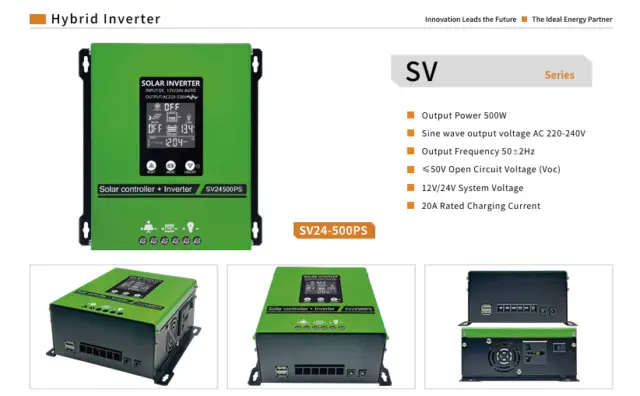
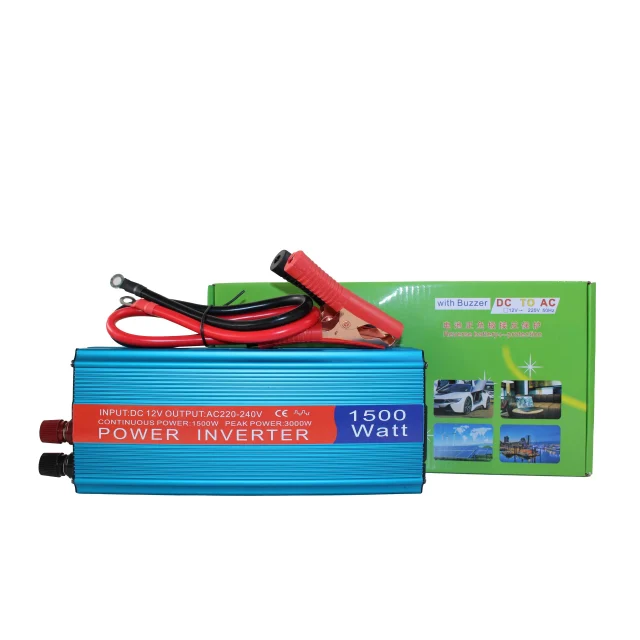
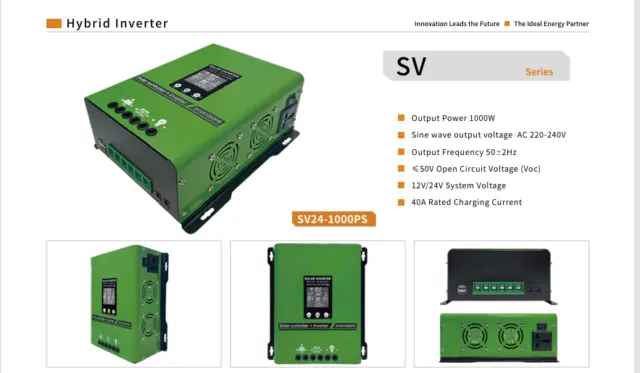
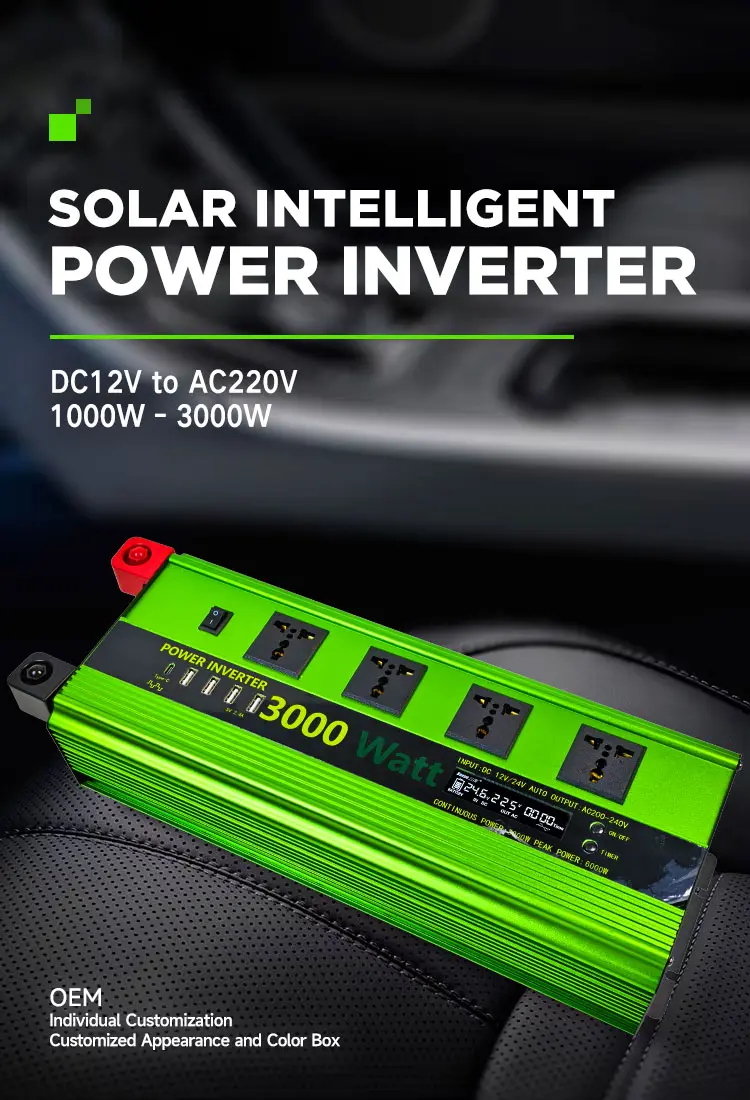
Gerixi inverter products are designed for practical solar and backup applications, including small household loads, mobile power, shops and distributed off-grid equipment. For buyers comparing models, the key is to match output waveform, rated power, battery voltage and protection design to the intended load.
For OEM, wholesale and project procurement, a clear load list and installation environment help confirm the right inverter faster. This reduces over-selection, avoids underpowered systems and creates a more reliable backup power experience for end users.